 Part 12
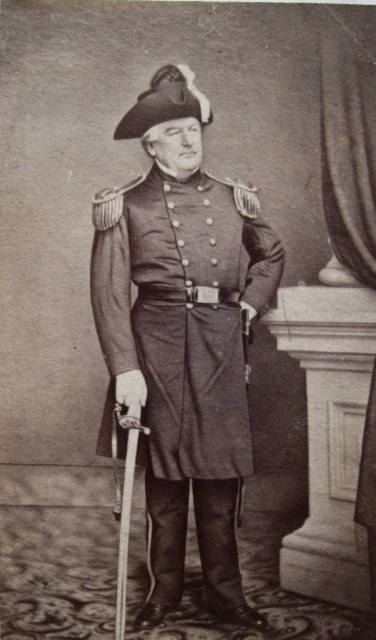
Buchanan's presidency did nothing to calm the rising tensions between the North and the South. By 1860, the Republicans were much more organized, and Northerners had only gotten more anti-slavery. Seward nearly got their nomination for president, but in the end, he lost to Abraham Lincoln.
Northern and Southern Democrats were also becoming increasingly divided over slavery, and they were unable to agree on a candidate. Northern Democrats nominated Stephen Douglas, whereas Southern Democrats nominated John Breckinridge.
Finally, the Know-Nothing Party had died after 1856, but the remnants of the moderate Whigs then created the Constitutional Union Party. Fillmore approved of it, but he did nothing to support it, staying out of politics.
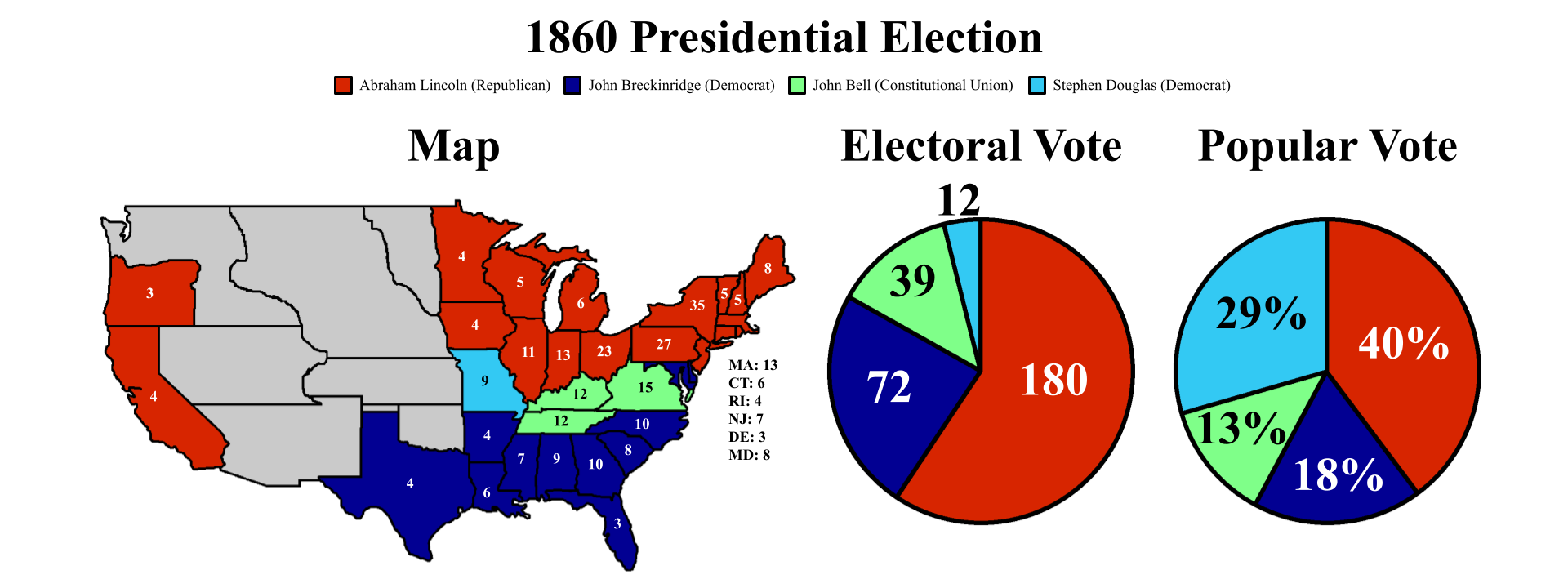
Lincoln won every single free state and none of the slave states. The South feared that the North had both the power and the desire to control them and to eventually abolish slavery, and after years of rising tensions, the Southern states finally began to secede.
As this happened, A group of New York City merchants asked Fillmore to go down to South Carolina, the first state to secede, and try to make things right. But he refused, feeling that the Republicans would never cooperate or treat the South with respect. Moderates could fix the problem, but to him, Republicans were not moderates.
In the wake of secession, Fillmore saw Weed and Seward suddenly supporting reconciliation with the South. All of the things they had previously criticized him for, they suddenly supported, which included strengthening the Fugitive Slave Act, something Weed had been relentless toward Fillmore for just ten years prior. Weed even began to oppose free soil despite it being one of the founding values of the Republican Party.
Although Fillmore hated the Republicans, he was also furious at many Democrats. He was critical toward Buchanan for doing nothing about South Carolina's secession. He felt secession was illegal and a form of treason, viewing military force as necessary.
As Lincoln made his way to Washington D.C., he passed by Buffalo, and Fillmore actually invited him into his home. Seemingly, Fillmore was very nice to Lincoln and didn't have anything against him personally despite disliking his party. Lincoln, meanwhile, actually thought Fillmore had been a good president.
Once the Civil War broke out, Fillmore was a strict supporter of the North. He soon organized a militia group called the "Union Continentals", consisting of men who were too old to fight in the Civil War, but who could defend Buffalo if necessary. But they mostly just led funerals, parades, and other events to encourage recruitment. Eventually, Fillmore retired from the group.
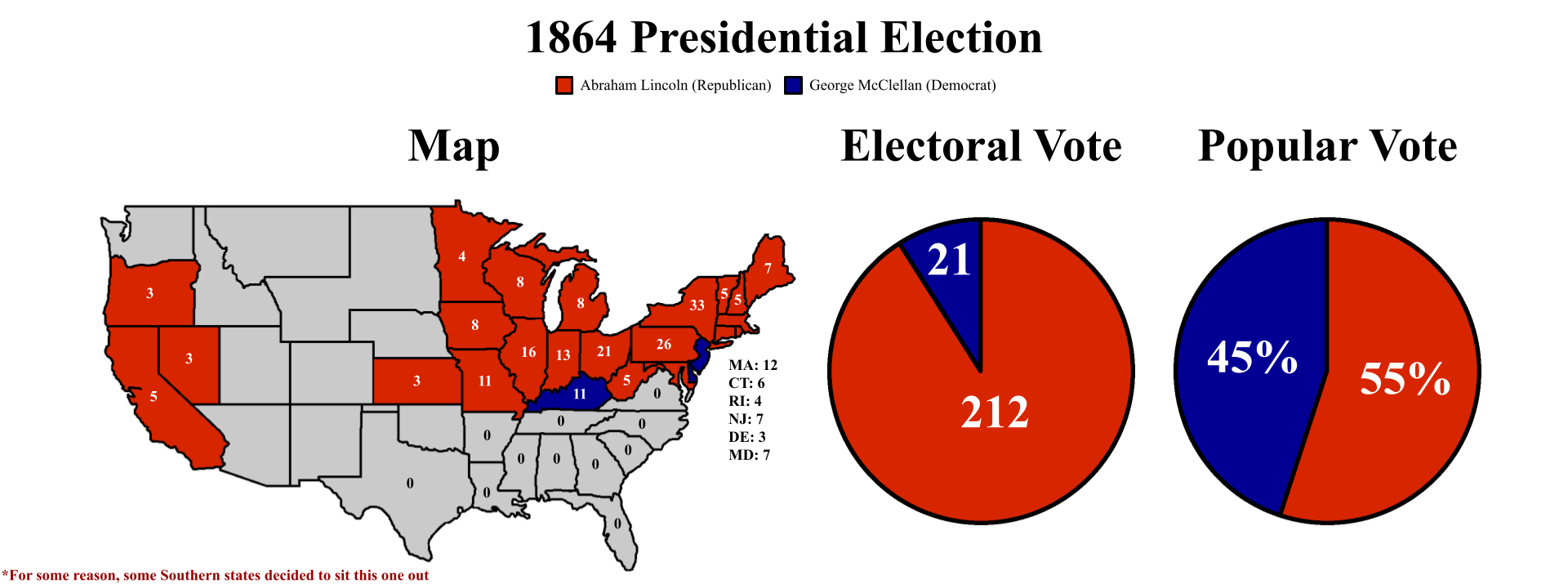
At the start of 1864, things didn't look great for the North. They'd done well in the West, but they were unable to make any progress in the East. Lincoln feared that he'd lose his bid for reelection unless he started having some major victories. In February of that year, Fillmore made a speech blaming the Lincoln administration for the war. He also argued that once the North finally won, it should be as lenient toward the South as possible. He opposed the idea of abolishing slavery after the war, not wanting to upset the South.
This speech made Fillmore very unpopular with the Republican press, and he faced ridicule. Many falsely accused him of opposing the war altogether. He became even more of a punching bag when he publicly supported Lincoln's opponent, George McClellan. But in the end, the North got some important victories before the election, and Lincoln won handily.
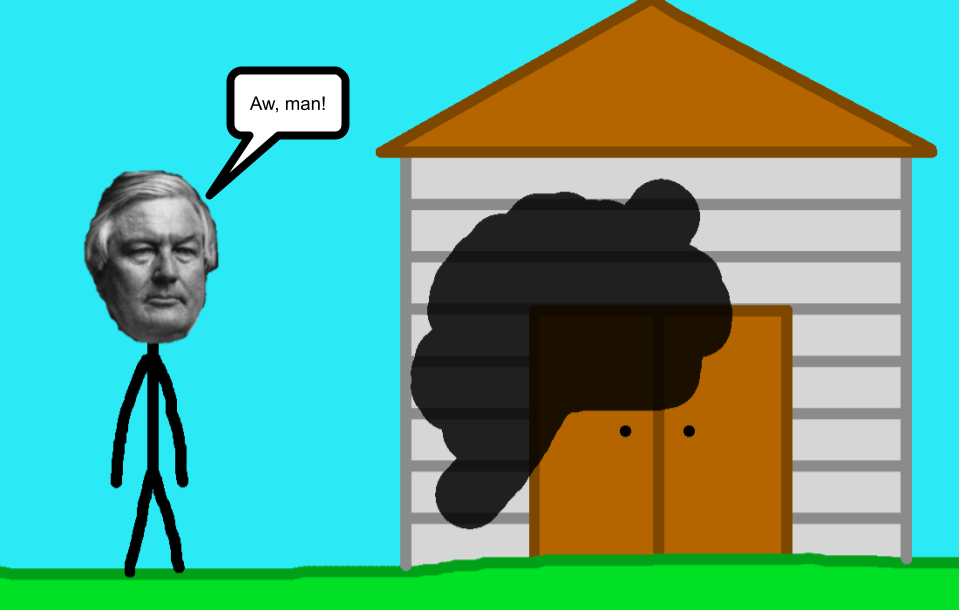
After Lincoln's assassination, many put decorations on their houses to show everyone else that they were mourning. Fillmore was out of town, so he wasn't able to do this. Someone mistakenly thought this meant Fillmore didn't care about Lincoln's death, so he threw black ink at Fillmore's house.
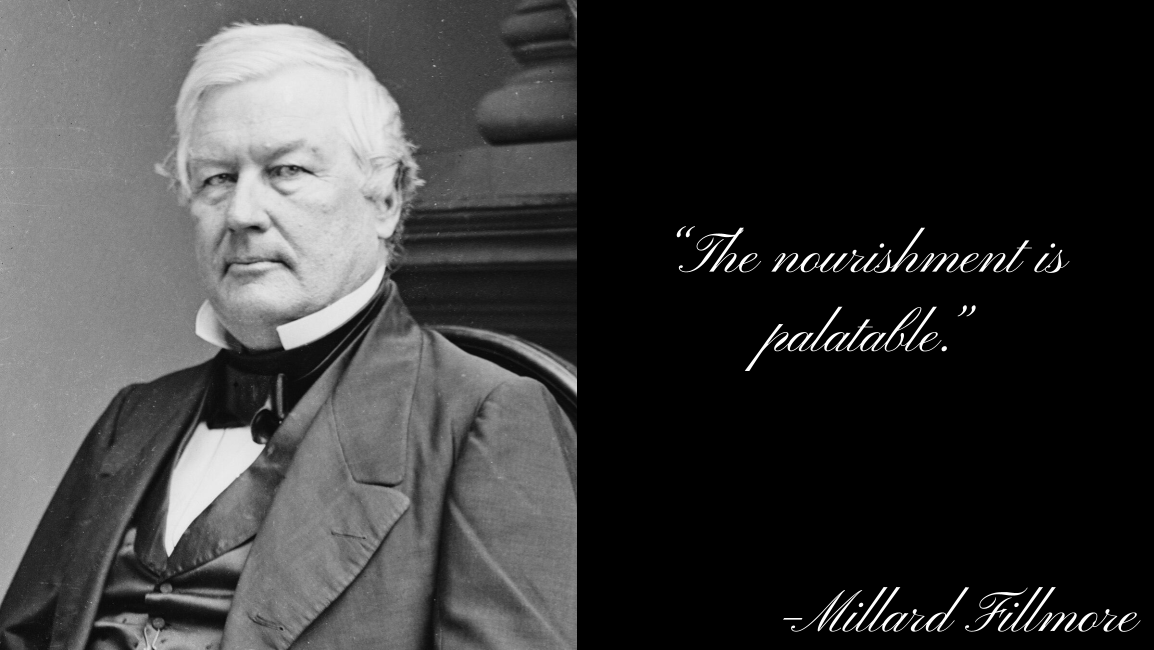
For the rest of his life, Fillmore focused on Buffalo, and he did a lot, but none of it is really interesting. On March 8, 1874, at the age of 74, he finally passed away, having previously suffered a stroke. His last words, upon being given soup, were "The nourishment is palatable."
 Part 12