 Part 2
Millard Fillmore's parents, Nathan and Phoebe Fillmore, were from New England, but they wanted a fresh start in life. A land agent convinced them to migrate to central New York, so Nathan purchased a farm there with his brother. Unfortunately, the land he bought ended up being horrible for farming.
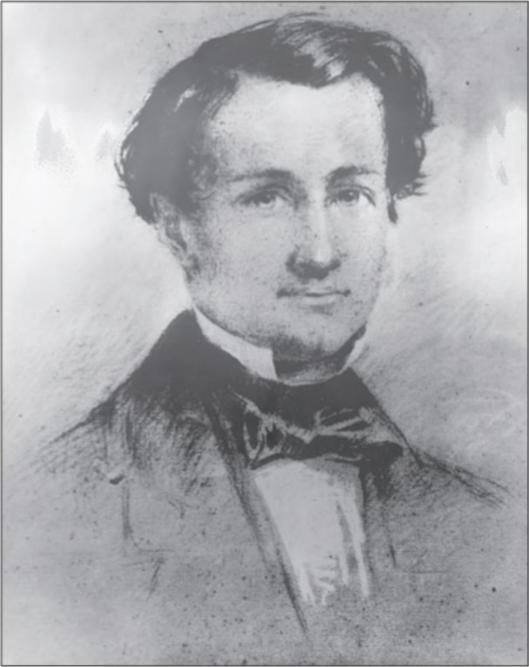
Despite this, they managed to scrape by, and Millard Fillmore was born on January 7, 1800. Unfortunately, their family troubles were far from over. It turned out Nathan's land titles were defective, so his family was forced to move. They moved to Sempronius, and later in 1819, they moved to Aurora.
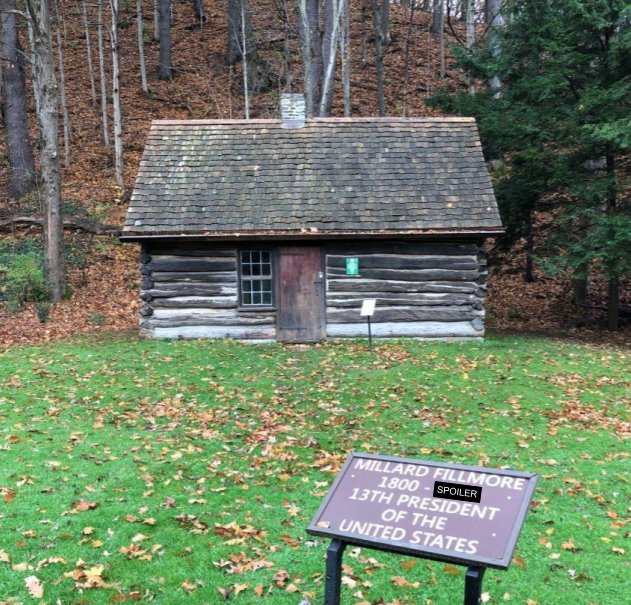
Living on the farm was a lot of hard work for Nathan, especially because the farmland was still terrible even after moving. Millard helped out, but Nathan didn't want his children to end up farming like him. Instead, when Millard was 14, Nathan managed to get him an apprenticeship with a cloth-dresser. He worked there for four months, but he hated it, feeling that he spent way too much time not even doing the trade. In winter, he was on break, and he begged his dad to let him quit. Nathan thought this was reasonable, and he eventually found Millard another internship in New Hope.
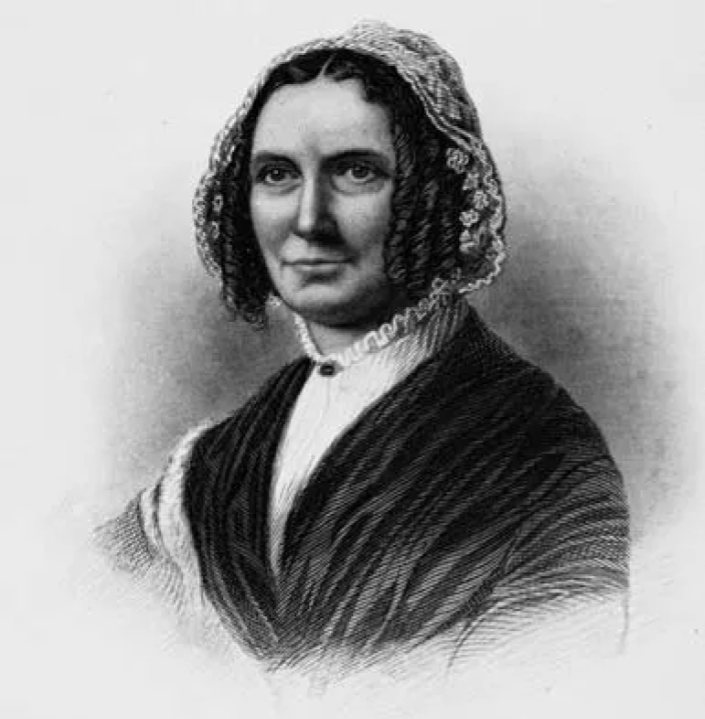
During this time, Millard was beginning to realize just how uneducated he was. As much as he loved to read, he had very few options at home. When an academy was formed in New Hope, Fillmore seized the opportunity to get an education, and he loved it. It was at this academy that he met Abigail Powers, who was two years older than him. They became great friends and eventually fell in love.
Meanwhile, Nathaniel sold his tenancy, moved to Montville, then became the tenant of Walter Wood, a very wealthy county judge. He was able to convince Wood to make Millard a clerk in his law office for two months. This meant Millard took a break from his apprenticeship, but he was still obligated to finish it eventually. He loved his time at the office, but he didn't understand English law very well. It seemed that after the two months were over, Wood would see no reason to keep him any longer, and he'd be forced to return to his apprenticeship.
But then, before he left, Wood said that if Millard could get rid of his apprenticeship, he could continue to study law. This may seem like a great opportunity, but it just wasn't feasible for Millard. The expectation was that someone would have to be a clerk for seven years before being admitted to the bar, and Millard didn't have the money he would need to do that. Luckily, Wood offered to give him a job handling some of his business and to give him a loan that he could repay once he was admitted to the bar. Unfortunately, he still had to deal with his apprenticeship.
For three months, he worked as an elementary school teacher on top of being an apprentice, and after this, he had enough money saved up to buy himself out of the rest of his apprenticeship. He fully committed himself to learning law, but he was paid very little and hated being dependent on Wood. Struggling financially, he discretely accepted some money from a farmer to help him out in a case before a justice of the peace. He was able to settle the case out of court, and while his actions were not illegal, they were inappropriate, and Wood was furious. He made Millard promise that he would never do anything like this again, but instead Millard quit the office after only eighteen months. He now owed Wood 65 dollars, which is almost 2,000 dollars in today's money. Oof.

In 1822, he took a teaching job in the quickly growing city of Buffalo. From there, he also became a clerk to a local law firm. He taught for money, and in his free time, he was devoted to law. Soon, he gained such a good reputation that he was admitted to the bar after only three years of being a clerk, much shorter than the usual seven. But Millard Fillmore had always been modest and his lack of experience compared to his peers led to him having very low confidence. Due to his insecurities about competing against older, more experienced members of the bar, he ended up opening an office in East Aurora, an area without competition.
But as time passed and Fillmore gained more experience, he also gained confidence. After not seeing Abigail Powers for a while, he finally married her. And wanting some help in his law office, he soon hired Nathan Hall. Despite being born into poverty, Fillmore was now a respected lawyer, and he would only continue to move up the social ladder from here.
Part 2